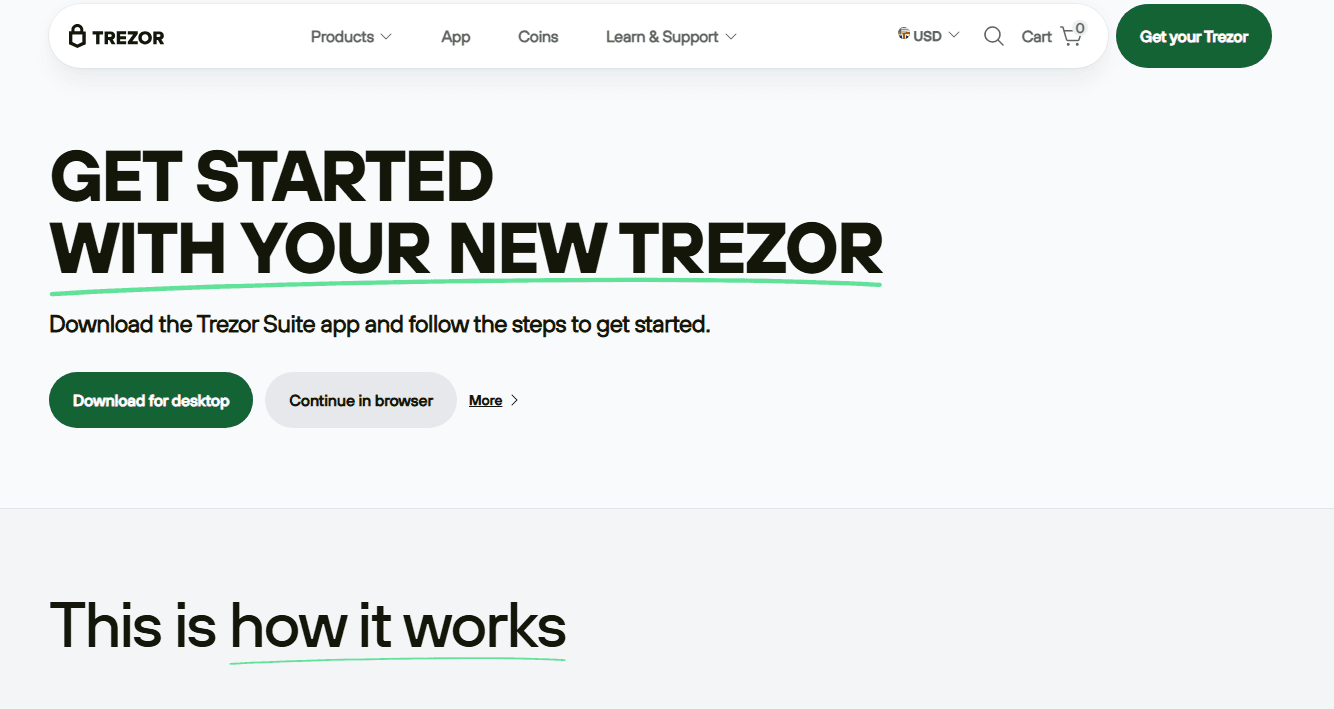
Trezor.io/start is the official onboarding platform created to help users safely initialize and configure their Trezor hardware wallet. This setup process is essential for protecting digital assets from online threats and unauthorized access. Whether you are holding cryptocurrency for the long term or actively managing multiple assets, starting with the correct setup ensures a strong security foundation.
The process at Trezor.io/start focuses on authenticity verification, firmware installation, wallet creation, and user education. Each step is designed to make security simple, even for beginners, while still offering advanced protection for experienced users.
The Importance of Hardware Wallet Security
Cryptocurrencies operate on decentralized networks, meaning users are fully responsible for safeguarding their funds. Software wallets and online platforms can be vulnerable to hacking, phishing, and malware. A hardware wallet like Trezor significantly reduces these risks by storing private keys offline.
Trezor.io/start ensures that private keys are generated securely within the device itself and never exposed to the internet. This offline approach is one of the strongest defenses against digital theft and unauthorized transactions.
Preparing for Setup
Before starting the setup process, users should ensure they are in a secure environment. Use a trusted computer, keep your operating system updated, and avoid public or shared networks. These precautions help maintain the integrity of the setup process.
Once your Trezor device is connected, Trezor.io/start provides clear instructions to guide you through each stage, ensuring that no critical security steps are missed.
Installing the Required Software
The setup process begins by installing the official interface used to manage your Trezor wallet. This interface allows secure communication between your computer and the hardware wallet. During installation, the system checks for device authenticity to confirm that the hardware has not been altered.
This verification step is essential, as it protects users from counterfeit devices and supply-chain attacks. Trezor.io/start ensures that only genuine devices proceed to the next stage.
Firmware Installation and Verification
Firmware is the internal software that controls how the Trezor device functions. New devices may require firmware installation before they can be used. Trezor.io/start walks users through this process with clear instructions displayed on both the computer screen and the device.
Keeping firmware updated is important for maintaining security and performance. Updates may include improved features, enhanced compatibility, and important security fixes. The installation process is designed to be straightforward and safe.
Creating a New Wallet
Once firmware is installed, users can create a new wallet. During this step, cryptographic keys are generated directly on the Trezor device. These keys remain securely stored within the hardware wallet and are never shared with external systems.
This design ensures that sensitive information is protected even if the connected computer is compromised. Trezor.io/start emphasizes this secure key generation as a core advantage of hardware wallets.
Recovery Seed Generation
One of the most critical steps during setup is the creation of the recovery seed. This seed consists of a series of words displayed on the Trezor device screen. It acts as the ultimate backup for your wallet.
If the device is lost, damaged, or replaced, the recovery seed allows full access to your funds. Users must write the words down carefully and store them in a secure, private location. It is strongly advised not to store the seed digitally or share it with anyone.
Why the Recovery Seed Matters
The recovery seed is the single point of recovery for your wallet. Anyone who gains access to it can control your funds. For this reason, Trezor.io/start places strong emphasis on educating users about safe backup practices.
Taking the time to store the recovery seed properly can prevent permanent loss of funds and ensures long-term peace of mind.
Setting a Secure PIN
After creating the wallet, users are prompted to set a PIN. The PIN protects the device from unauthorized physical access. Even if someone obtains your Trezor hardware wallet, they cannot access funds without the correct PIN.
The PIN entry process uses a randomized keypad layout to protect against keyloggers and screen-recording attacks. This additional layer of security makes unauthorized access extremely difficult.
Managing Assets with Trezor Suite
Once setup is complete, users can manage their assets through the official wallet interface. This platform allows users to check balances, view transaction history, and send or receive cryptocurrencies securely.
All transactions must be confirmed directly on the Trezor device screen. This ensures that malware on a computer cannot alter transaction details without the user noticing and approving the action.
Receiving and Sending Cryptocurrency
To receive cryptocurrency, users generate a receiving address and verify it on the device screen. This verification step ensures that the address has not been modified by malicious software.
When sending cryptocurrency, the transaction details are shown on the Trezor device for confirmation. This physical verification ensures that funds are only sent with the user’s explicit approval.
Advanced Security Options
Trezor hardware wallets support advanced security features such as passphrases and hidden wallets. A passphrase acts as an additional security layer, creating separate wallets that cannot be accessed without it.
These features are optional but recommended for users who want enhanced protection. Trezor.io/start introduces these options to help users understand how they can further secure their assets.
Best Practices for Ongoing Safety
Security does not end after setup. Users should remain cautious of phishing attempts, fake applications, and unsolicited messages. Always verify information directly on the Trezor device screen and keep recovery materials private.
Regularly checking device settings and staying informed about security updates helps maintain a strong defense against evolving threats.
Recovering Your Wallet
If your Trezor device is ever lost or damaged, funds can be restored using the recovery seed on a new device. This recovery process recreates your wallet exactly as it was, without exposing private keys online.
Understanding recovery procedures in advance reduces stress and ensures that users are prepared for unexpected situations.
Conclusion
Trezor.io/start is an essential starting point for anyone using a Trezor hardware wallet. It provides a secure, structured setup process that prioritizes user education and asset protection. From firmware installation to recovery seed creation and PIN security, every step is designed to safeguard your cryptocurrency.
By following the official setup process and practicing responsible security habits, users can confidently manage their digital assets with full control and peace of mind. Starting correctly with Trezor.io/start lays the foundation for safe and reliable cryptocurrency ownership.